EN
EN
Dec 17 2018
Read More

WHAT ARE YOU LOOKING FOR?
Steel structures are widely used in modern engineering due to their unique material properties and structural characteristics. The main advantages include the following aspects:
1. High strength and lightweight
High strength: Steel has much higher tensile and compressive strength than concrete and wood, making it suitable for large-span, high-rise, and heavy-duty structures.
Lightweight: Under the same bearing capacity, the self weight of steel structures is 30% to 50% lighter than that of concrete structures, which can reduce foundation loads and lower foundation costs.
2. Fast construction speed and high degree of industrialization
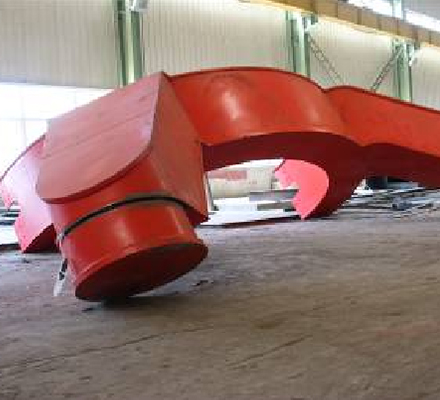
Factory prefabrication: Components can be produced in a standardized manner, and only assembly is required on site, shortening the construction period (more than 50% faster than traditional structures).
All day construction: unaffected by seasons, operations can still be carried out on rainy days and in low temperatures.
Prefabricated technology: Modular design facilitates transportation and quick installation, suitable for emergency projects such as temporary hospitals and post disaster reconstruction.
3. Superior seismic performance
Steel has good ductility and can absorb seismic energy through plastic deformation, with seismic resistance superior to rigid structures such as brick and concrete.
4. High space utilization rate
The small cross-section of steel components can increase the effective usable area of buildings (such as higher factory clearance and increased residential occupancy rates).
5. Environmental sustainability
Recyclable: The steel recycling rate exceeds 90%, and it can be melted and recycled after demolition, reducing construction waste.
Green construction: dry work reduces dust and noise pollution, in line with the trend of low-carbon buildings.
6. Flexible design and strong adaptability
Suitable for complex shapes such as curved surfaces, overhangs, and large-span spaces, meeting diverse architectural needs such as sports venues and airport terminals.
Easy for later expansion, renovation, or dismantling and relocation.
7. Economic advantages
Low comprehensive cost: Although the material unit price is high, it saves labor, construction period, and basic costs, and has a high cost-effectiveness throughout the entire life cycle.
8. Controllable quality
Factory production has high precision and low defect rate; Ensure the quality of welds and components through non-destructive testing (UT/RT).
Examples of application scenarios
Large span structures: sports halls, exhibition centers (such as the Bird's Nest).
High rise buildings: super high-rise office buildings and residential buildings (such as Shanghai center Building).
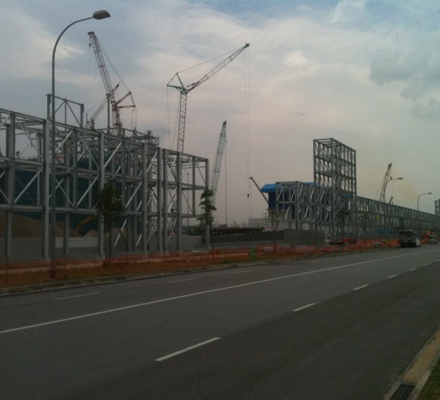
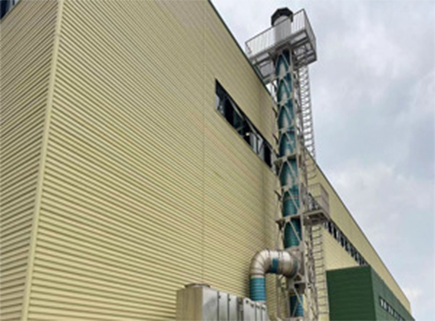
Industrial sector: factory buildings, petrochemical equipment supports, logistics warehouses.
Emergency buildings: modular hospitals, temporary shelters.
Disadvantages (to be noted): Fire protection requires additional treatment, corrosion resistance depends on coating maintenance, and local stability requires anti buckling design.
Steel structures have become one of the mainstream choices for modern buildings and industrial facilities due to their aforementioned advantages.